
Grammar Basics4 min read
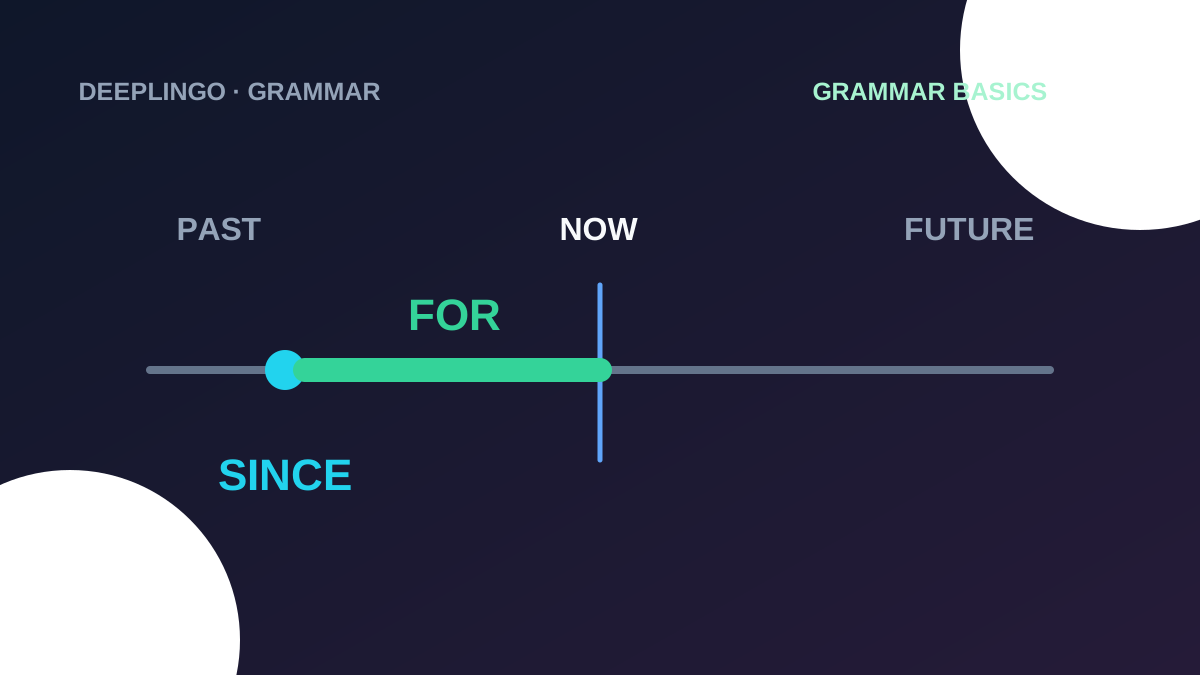
Since and For: Rules, Examples and Practice
Learn when to use since and for with clear timelines, everyday examples and 12 practice questions with explained answers.
Read guideDeeplingo English learning
Understand the rules, compare clear examples, and use English with more confidence.
Practise with English exercises30 short lessons with simple rules, examples, and guided practice.
47 guides to explore
Learn when to use since and for with clear timelines, everyday examples and 12 practice questions with explained answers.
Read guide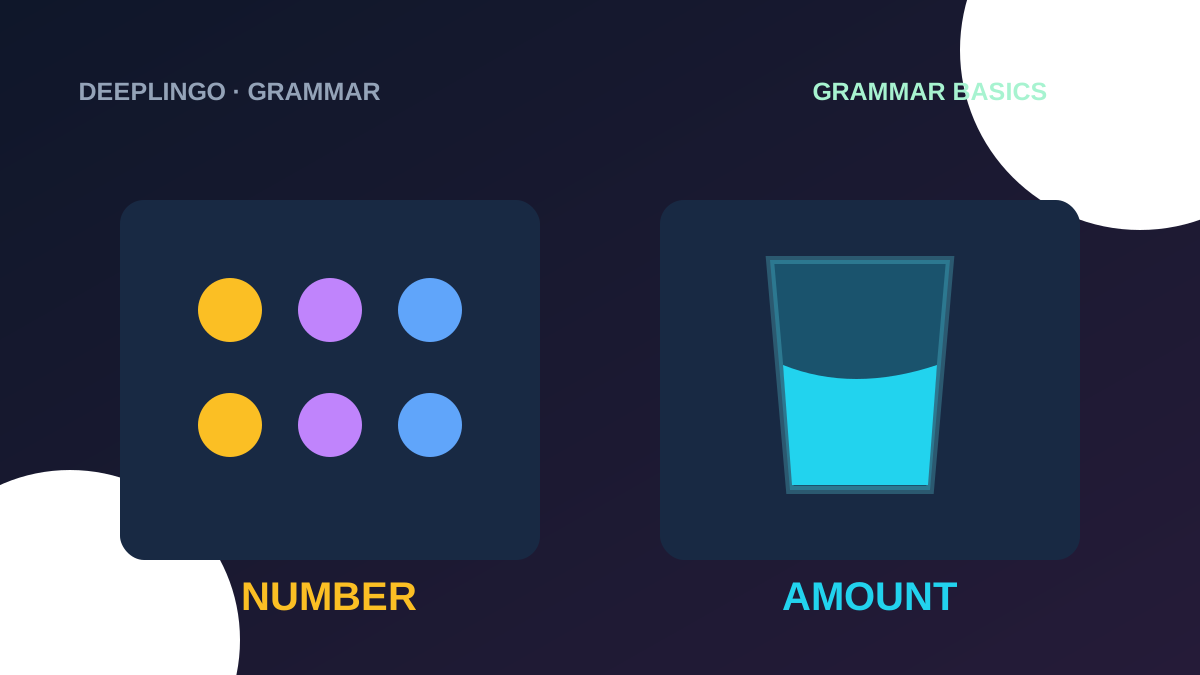
Choose much or many using countable and uncountable nouns. Practise with 12 questions and an explained answer key.
Read guide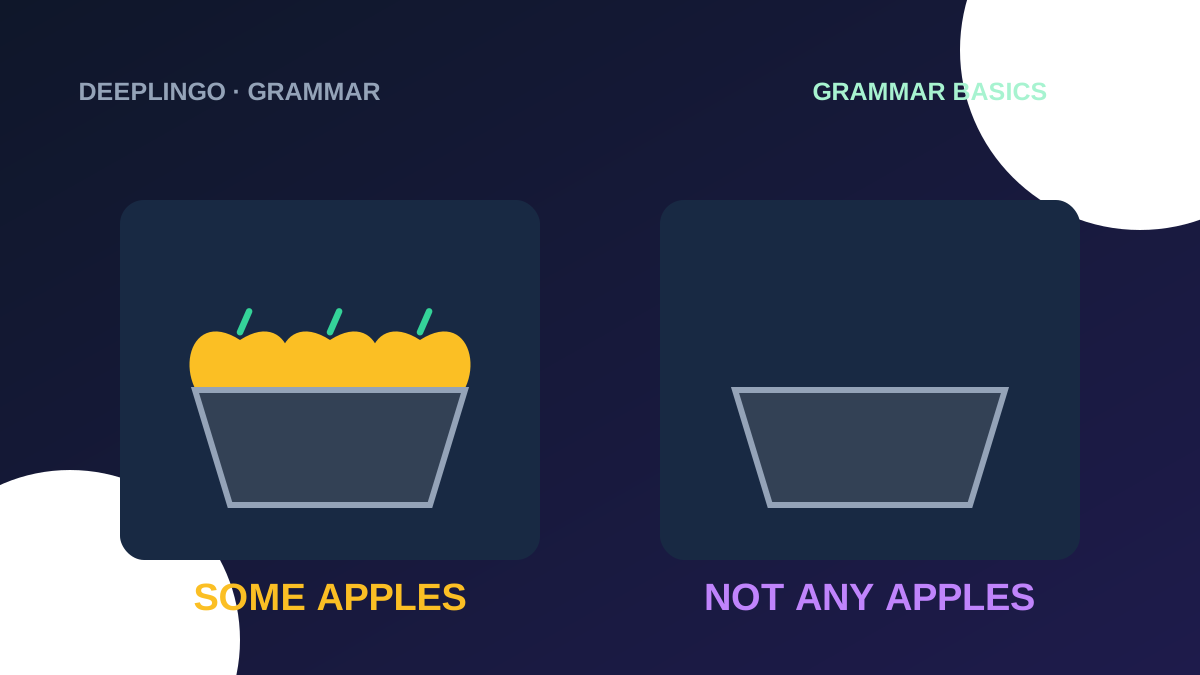
Understand some and any in statements, negatives, questions, offers and requests, with 12 practice items and explained answers.
Read guide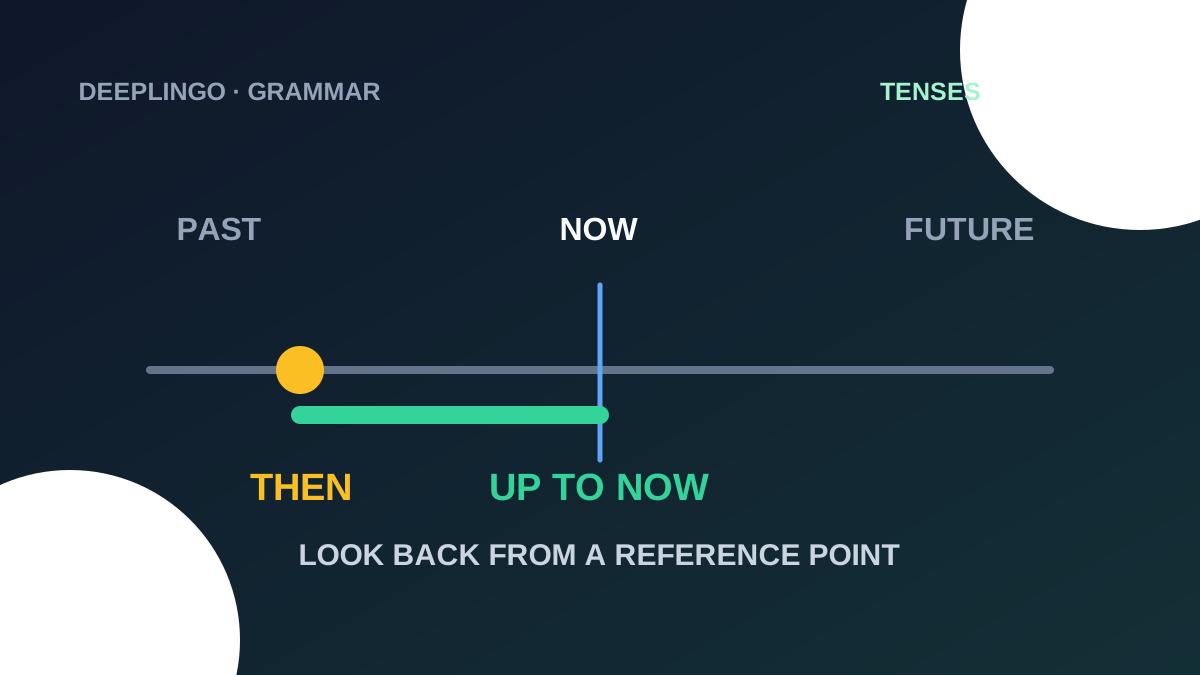
Choose between finished past events and time connected to now, with contextual examples and 12 explained practice answers.
Read guide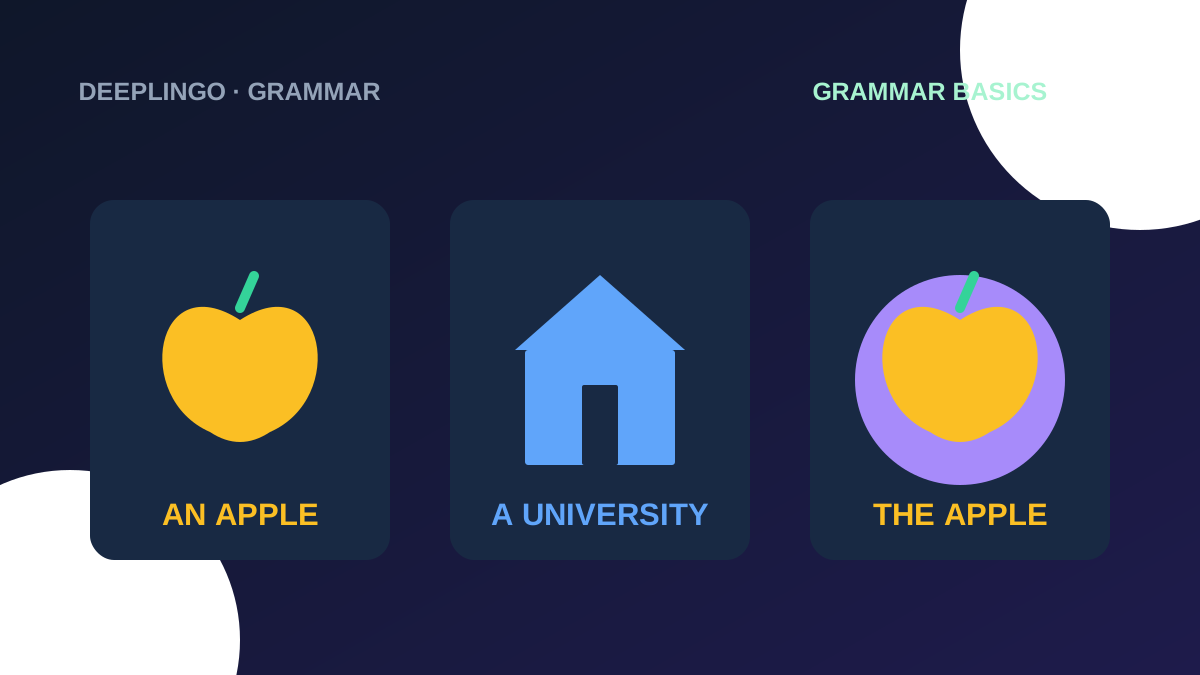
Practise English articles with 12 contextual questions covering vowel sounds, specific reference and zero article.
Read guide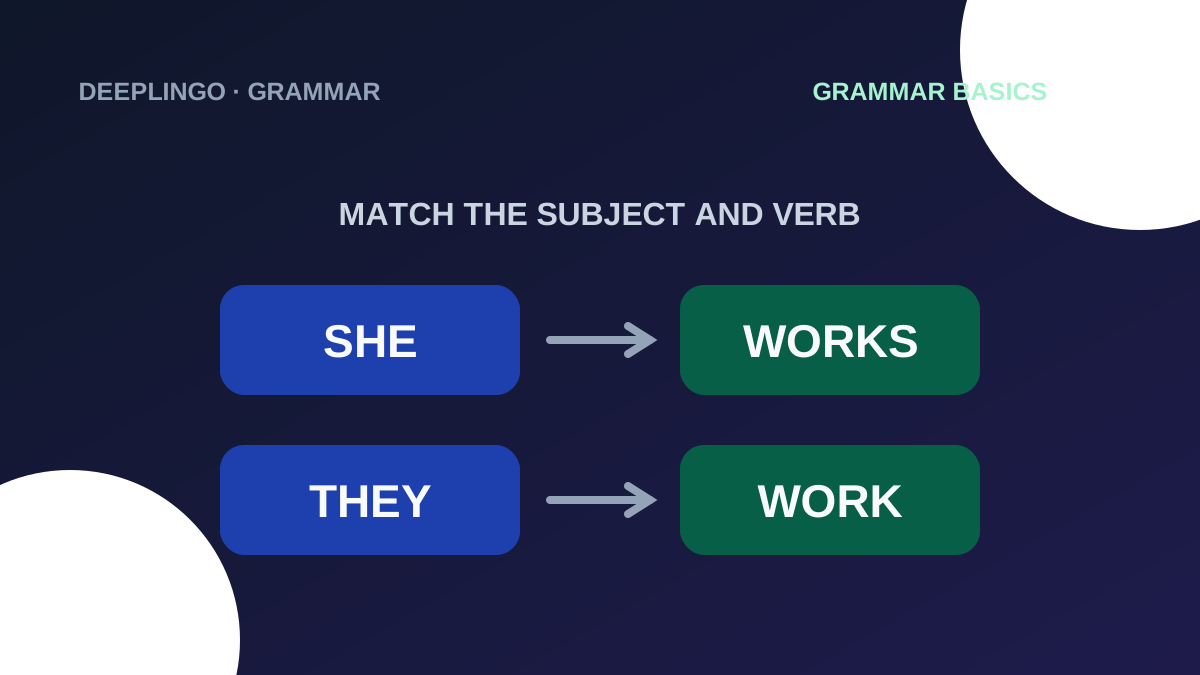
Practise subject–verb agreement with 12 questions on singular subjects, pronouns, intervening phrases and common irregular forms.
Read guide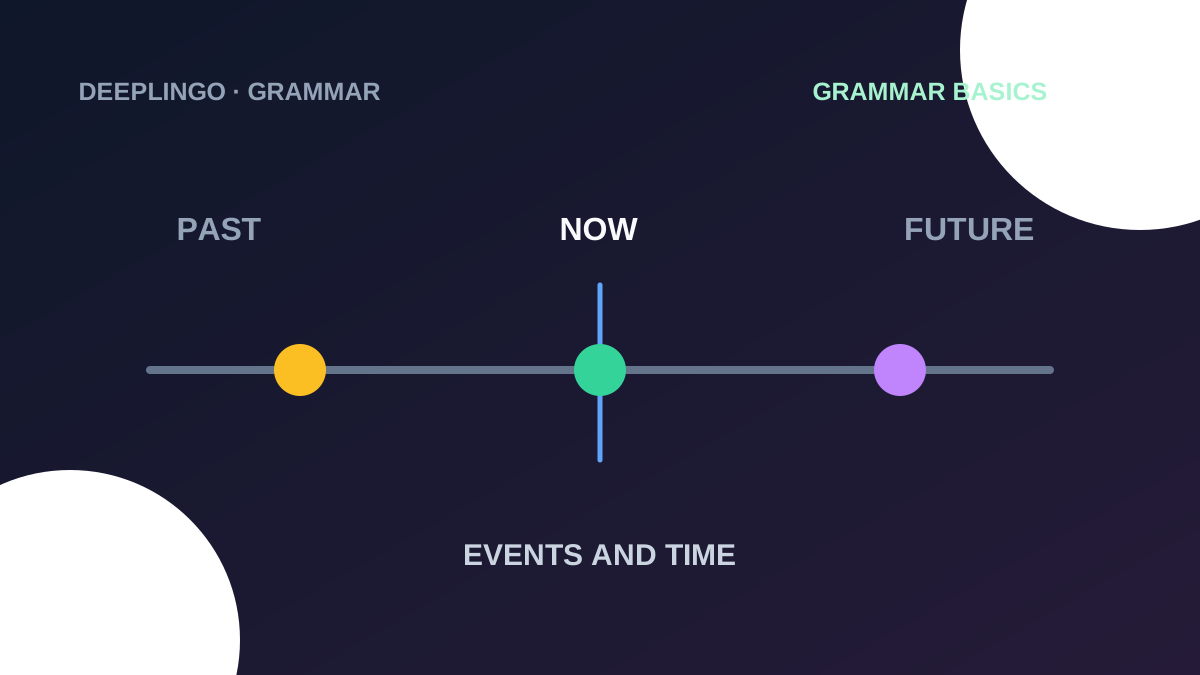
Practise present, past and future tenses with 10 contextual questions and a clear explanation for every answer.
Read guide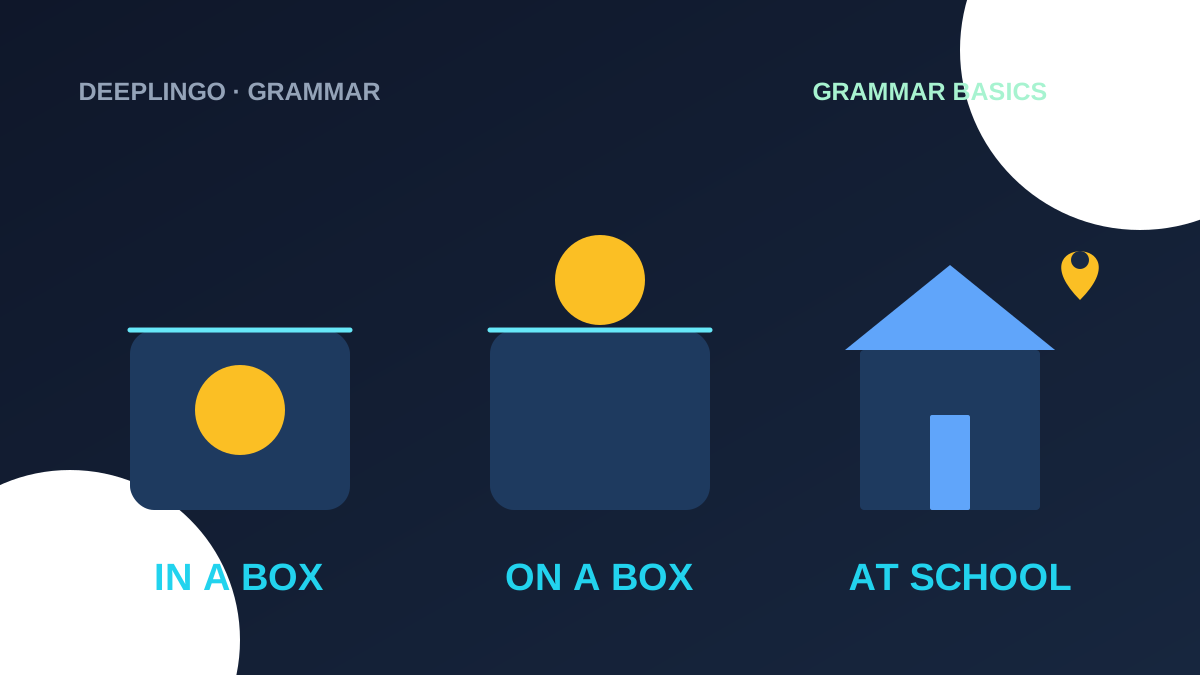
Practise in, on and at for time and place with 10 contextual questions and explained answers.
Read guide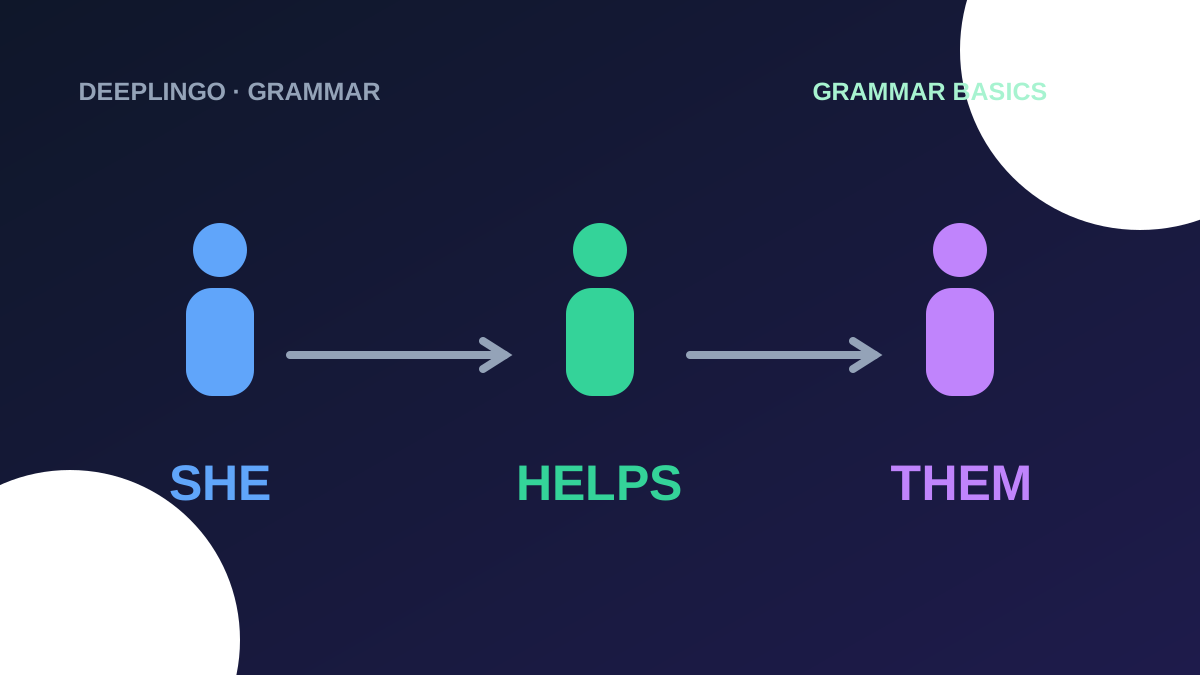
Practise subject, object and possessive pronouns with 10 contextual questions and explained answers.
Read guide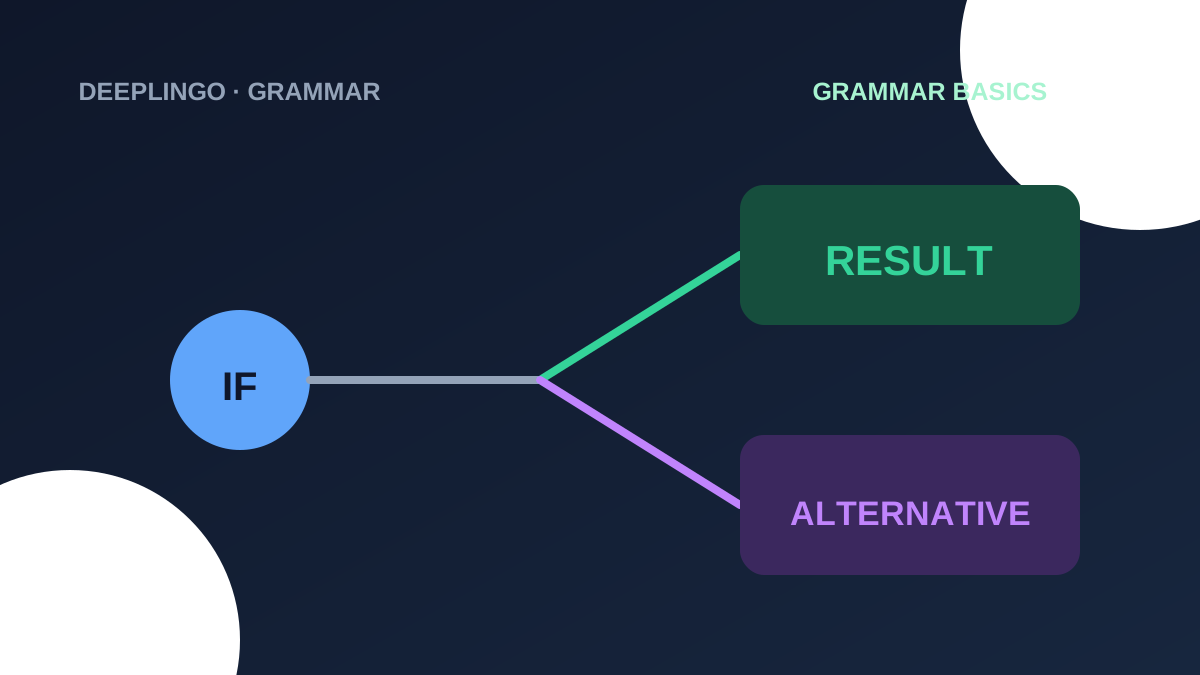
Practise zero, first, second and third conditionals with 10 contextual questions and explained answers.
Read guide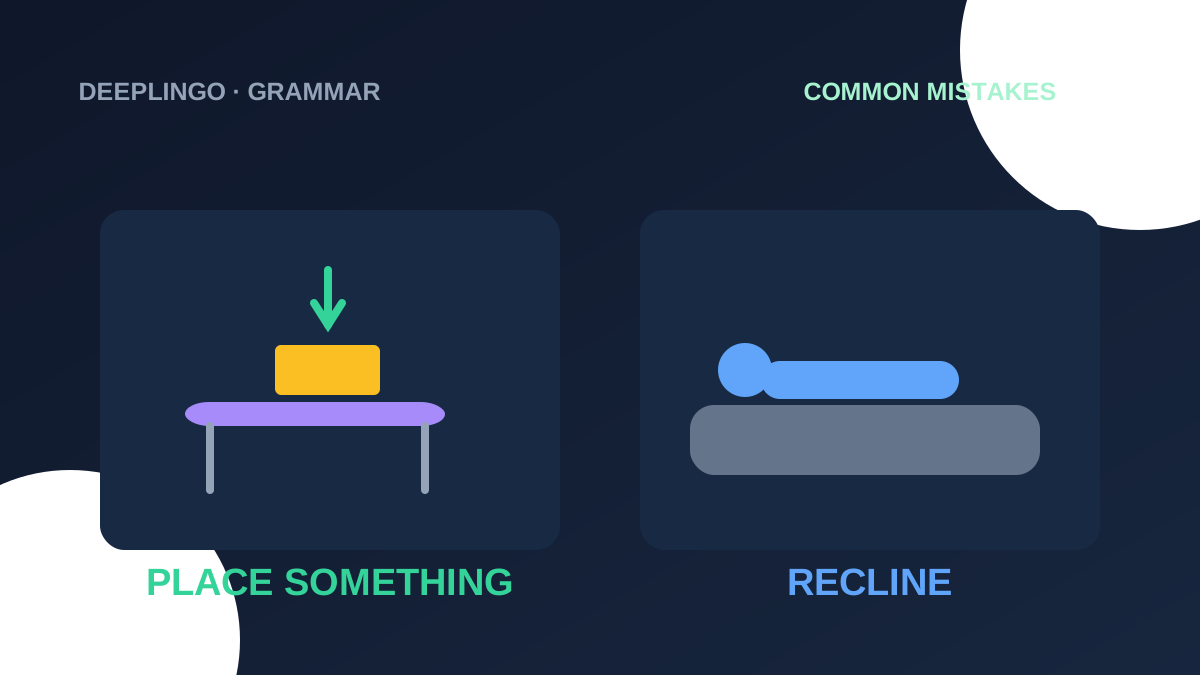
Master the tricky difference between lay and lie. Learn the past tenses, when to use each, and never confuse them again.
Read guide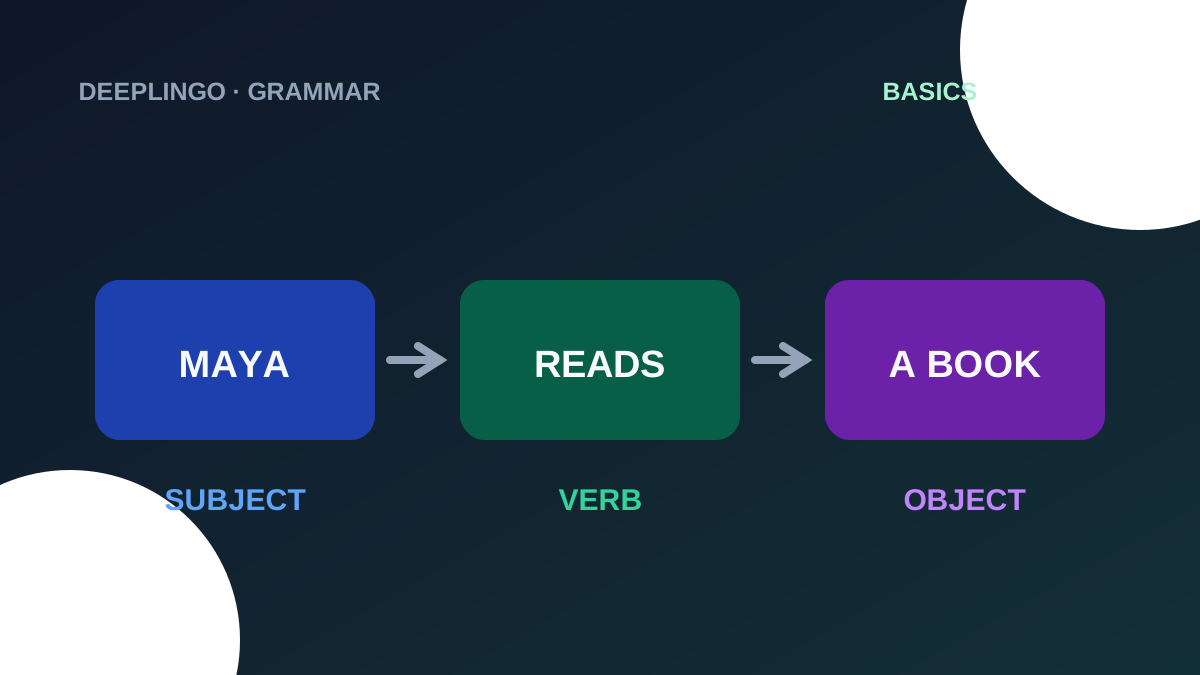
Learn the basic building blocks of English sentences. Understand what makes a complete sentence with easy examples.
Read guide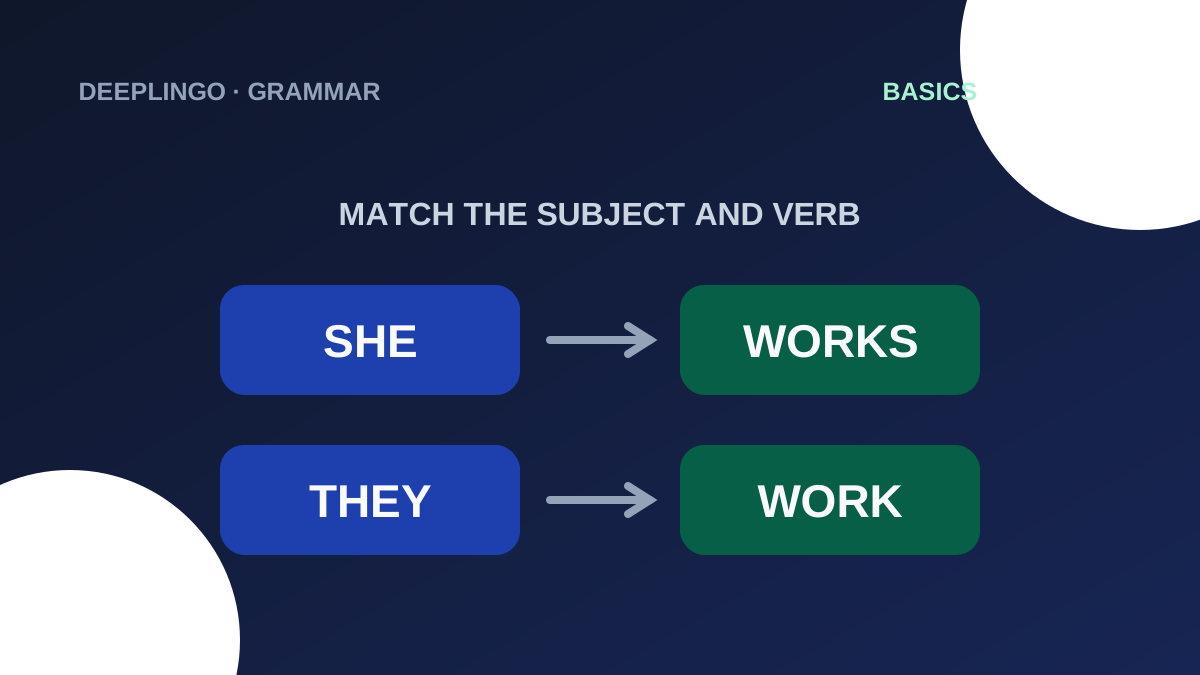
Understand why every English sentence needs a verb. Fix common mistakes like 'I happy' and 'She teacher'.
Read guide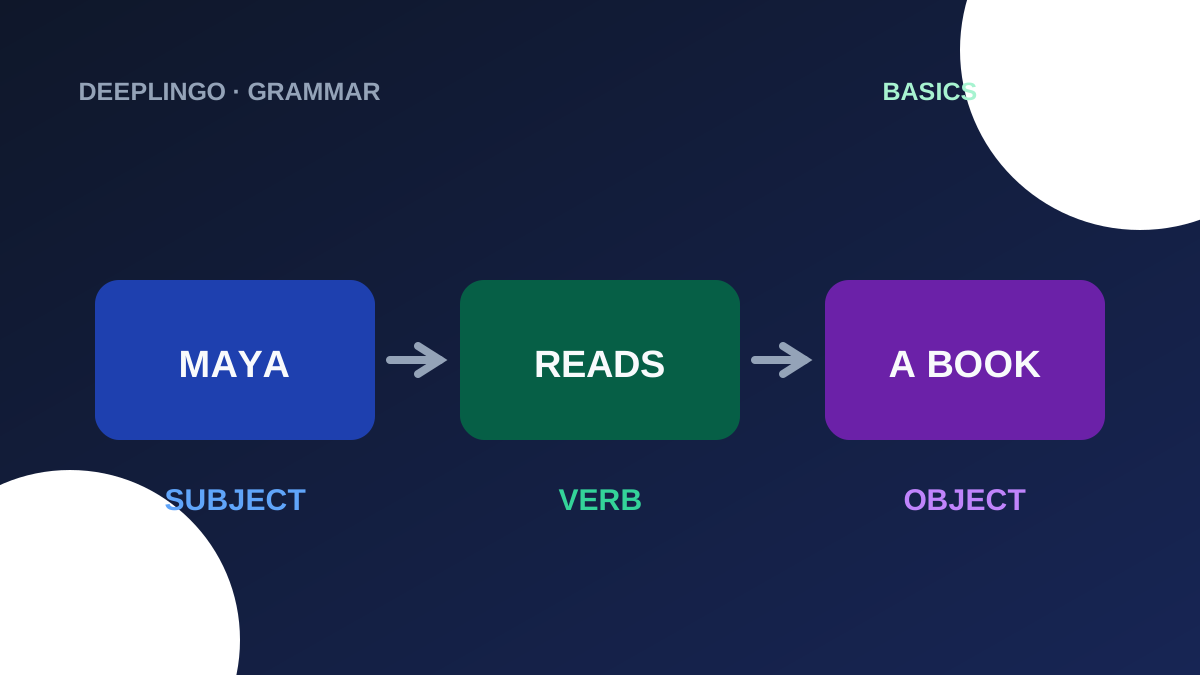
Learn why word order matters in English. Avoid confusing sentences by following the correct Subject-Verb-Object pattern.
Read guide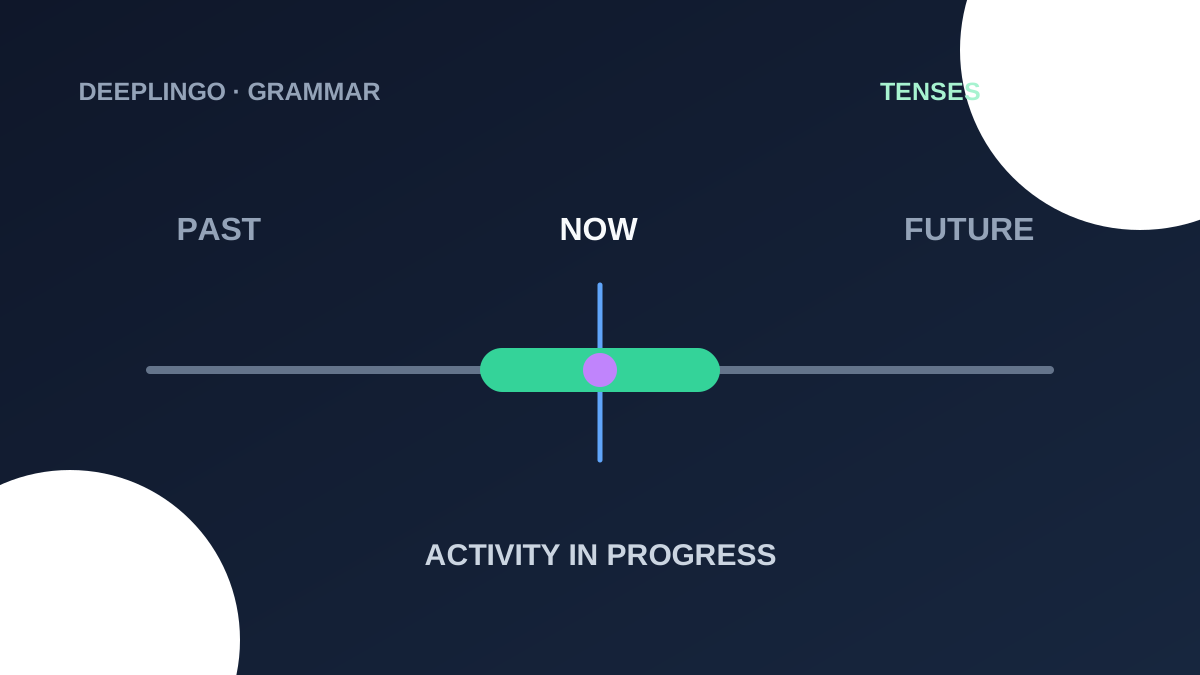
Master the Present Continuous tense to describe what's happening at this moment. Simple explanations with lots of examples.
Read guide
Learn the difference between verbs that show actions (run, eat) and verbs that show feelings or thoughts (like, know).
Read guide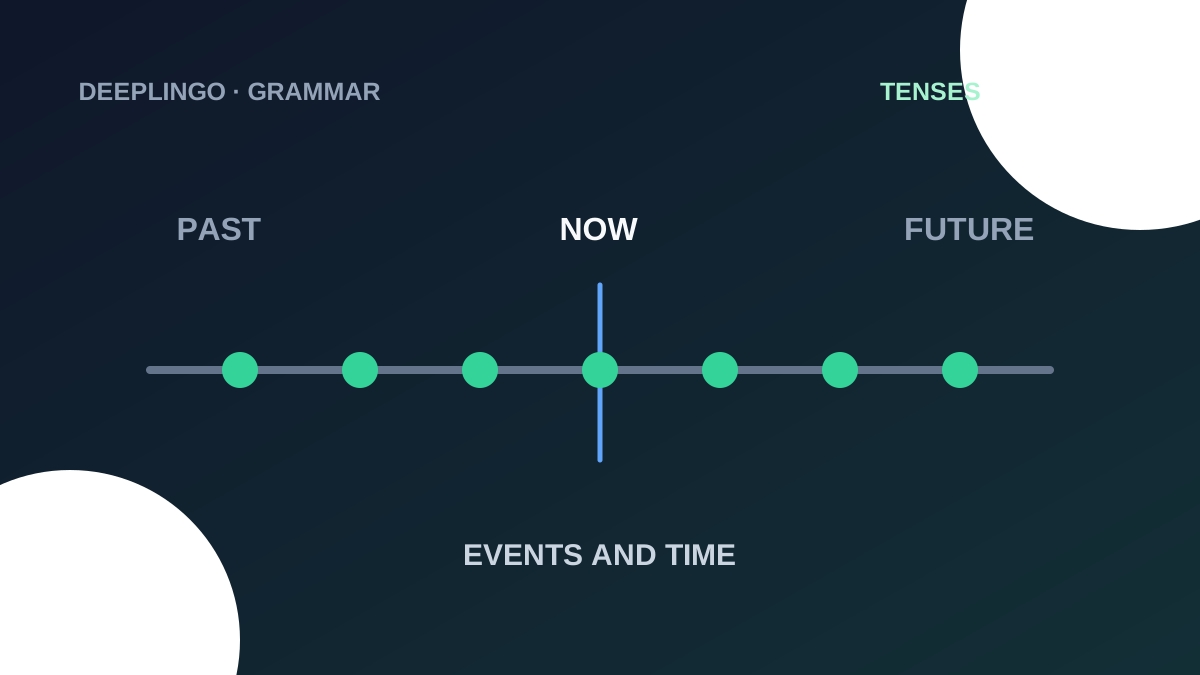
Learn when and how to use the Present Simple tense with clear examples. Perfect for everyday habits, facts, and routines.
Read guide
Learn the 5 most important question words in English. Simple explanations with many examples for beginners.
Read guide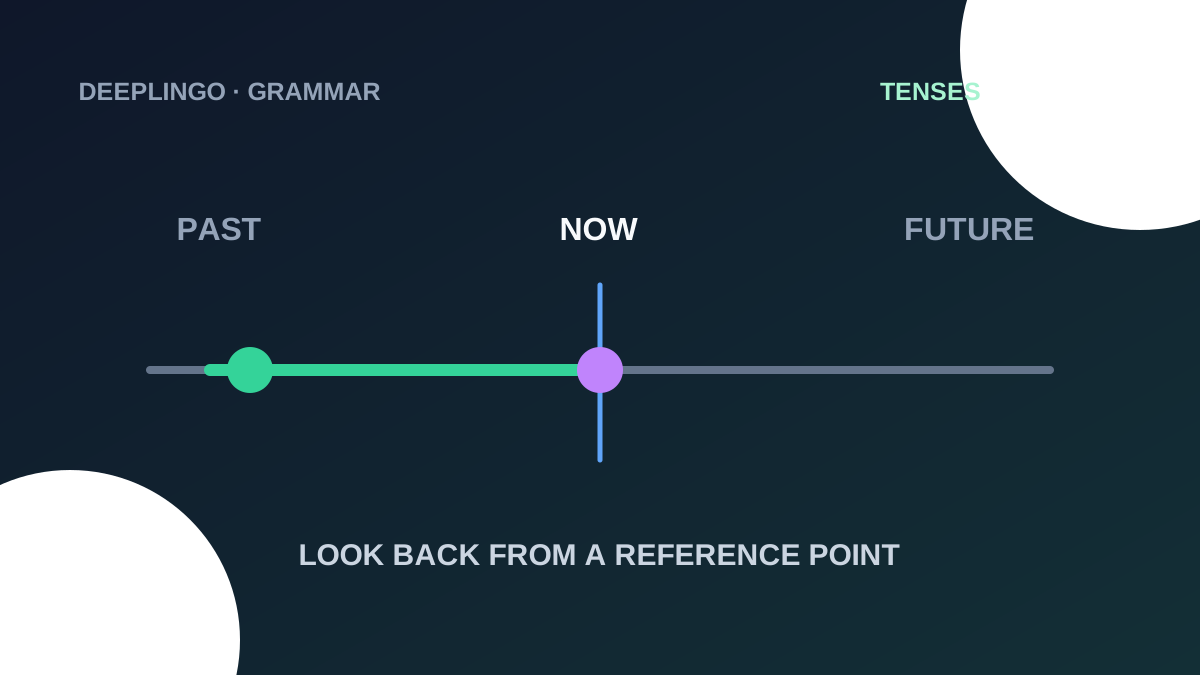
Understand how to use the Present Perfect tense to talk about past actions that affect the present. Clear rules and examples.
Read guide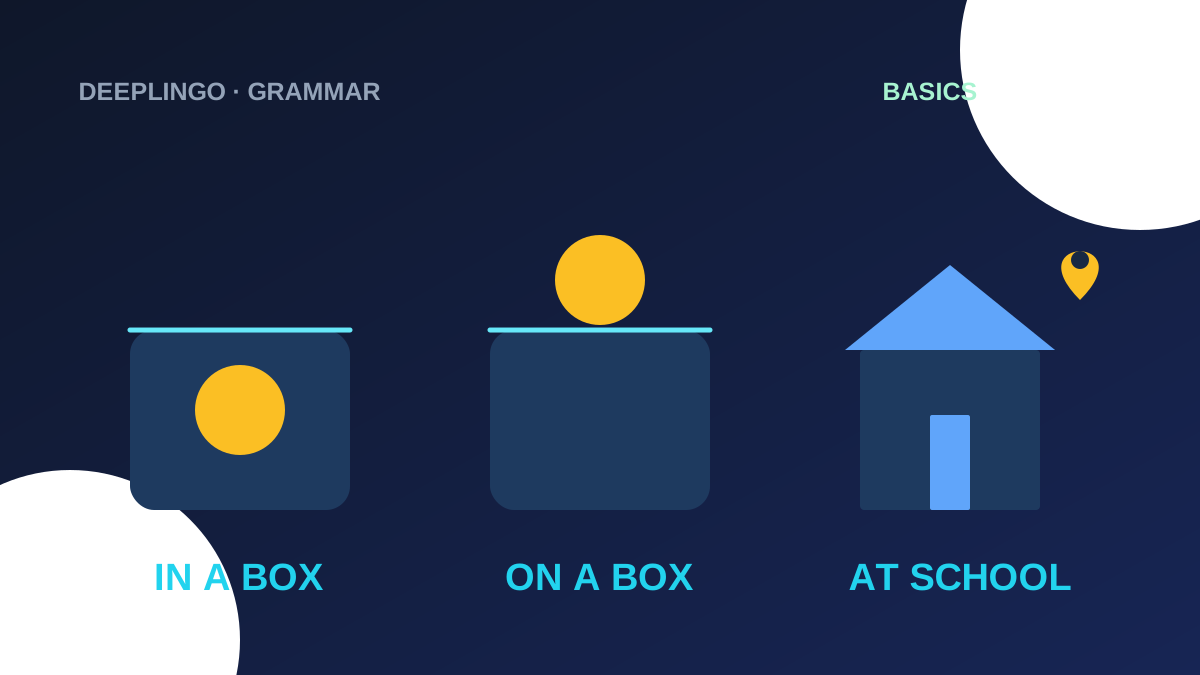
Learn how tiny words like 'a', 'the', 'in', 'on', 'at' completely change what a sentence means. Simple examples for beginners.
Read guide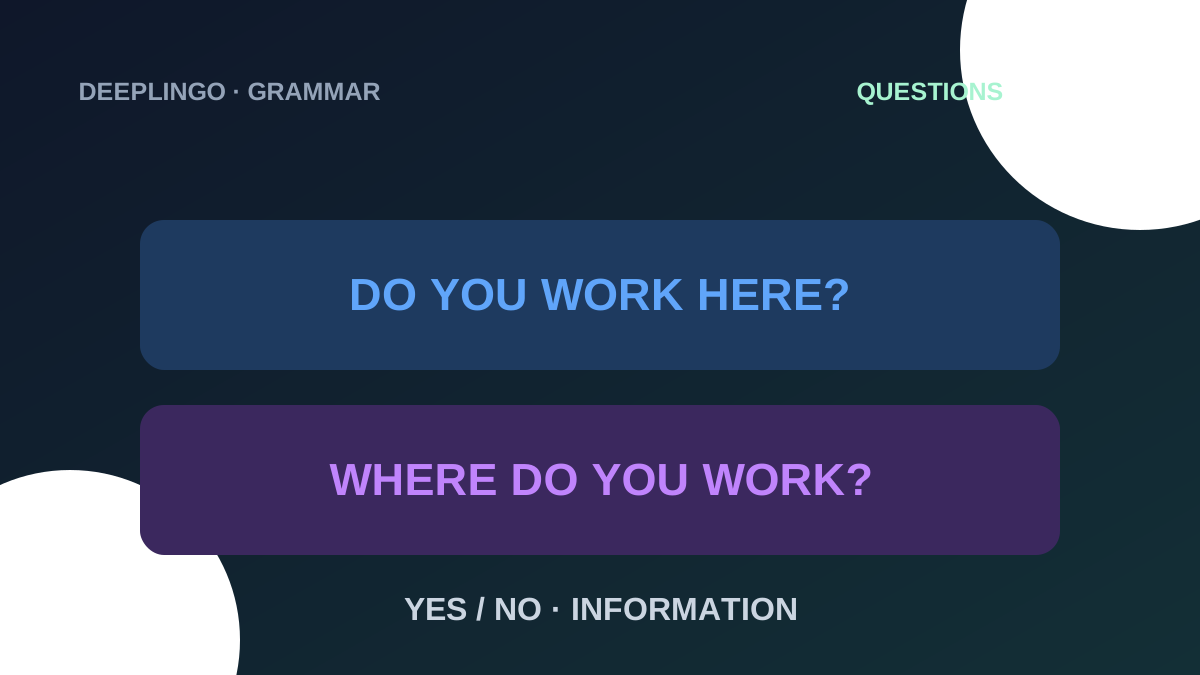
Learn the difference between Wh-questions and Yes/No questions. Simple rules and many examples to master English questions.
Read guide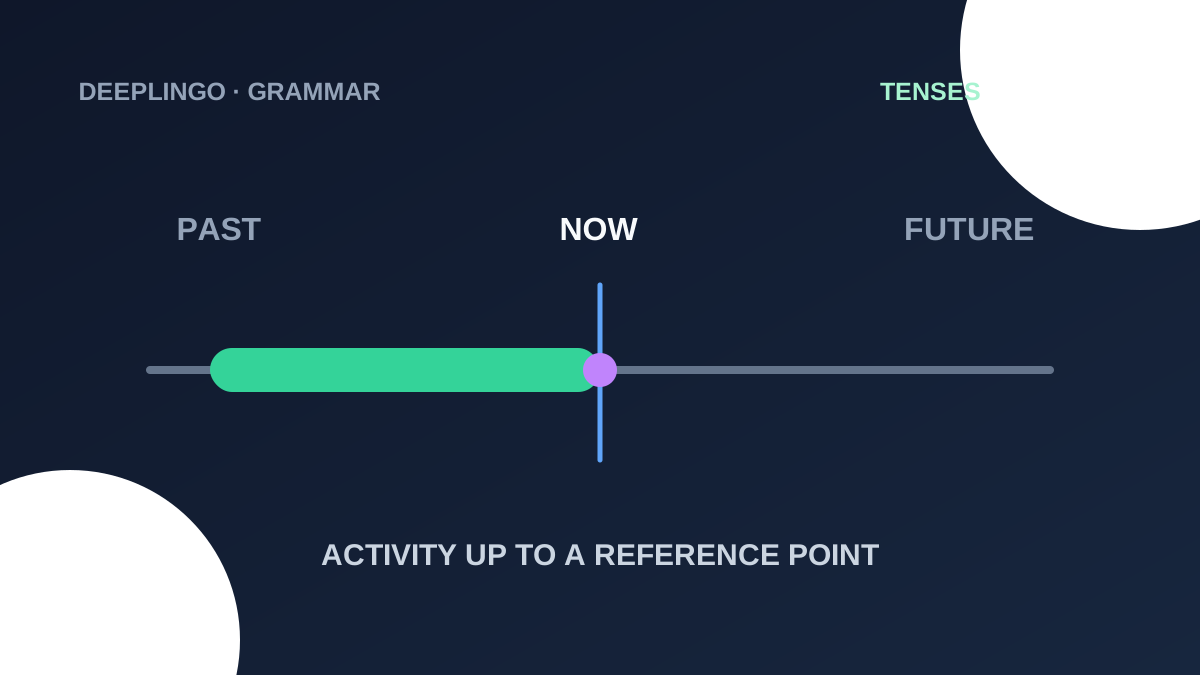
Learn how to express actions that started in the past and are still happening. Perfect for describing duration and recent activities.
Read guide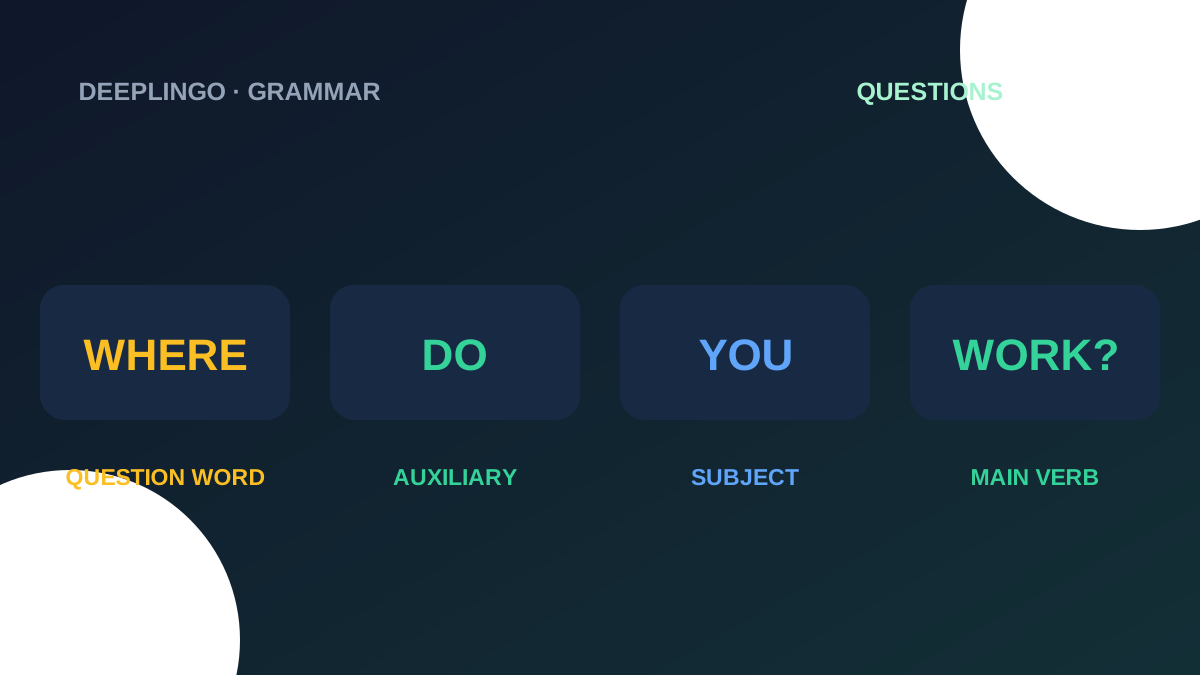
Master the correct word order for forming questions in English. Avoid common mistakes with clear rules and examples.
Read guide
Master the use of articles in English with simple rules and plenty of examples.
Read guide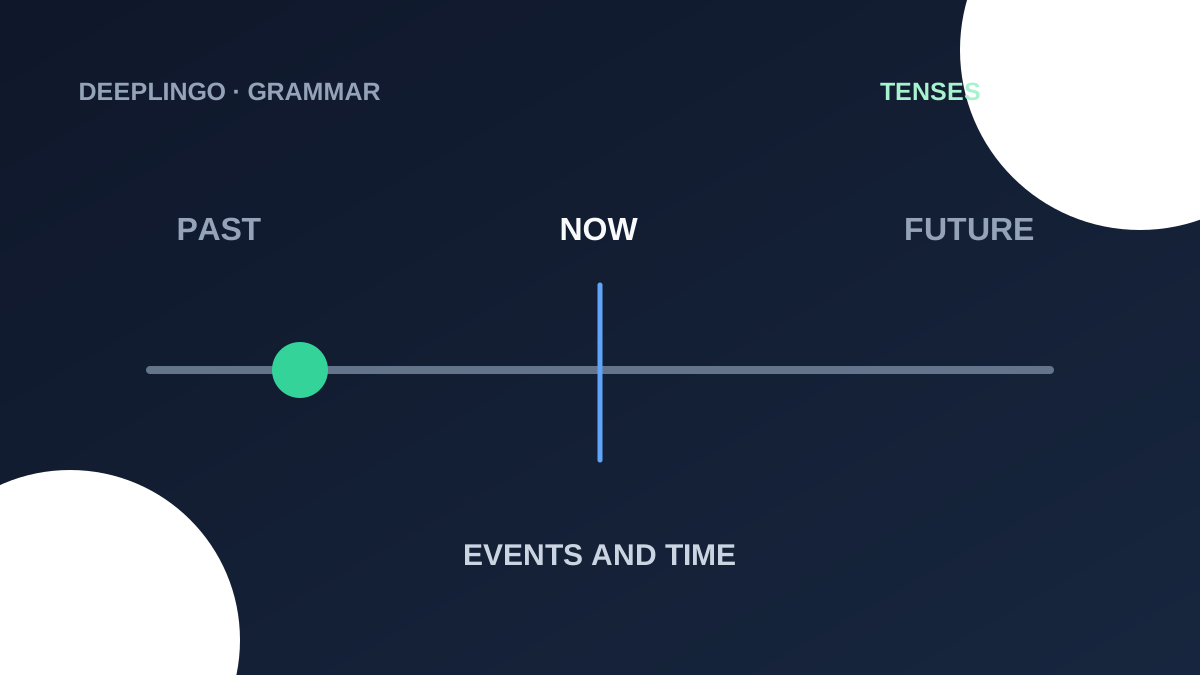
Learn how to describe completed actions in the past. Master regular and irregular verbs with easy examples.
Read guide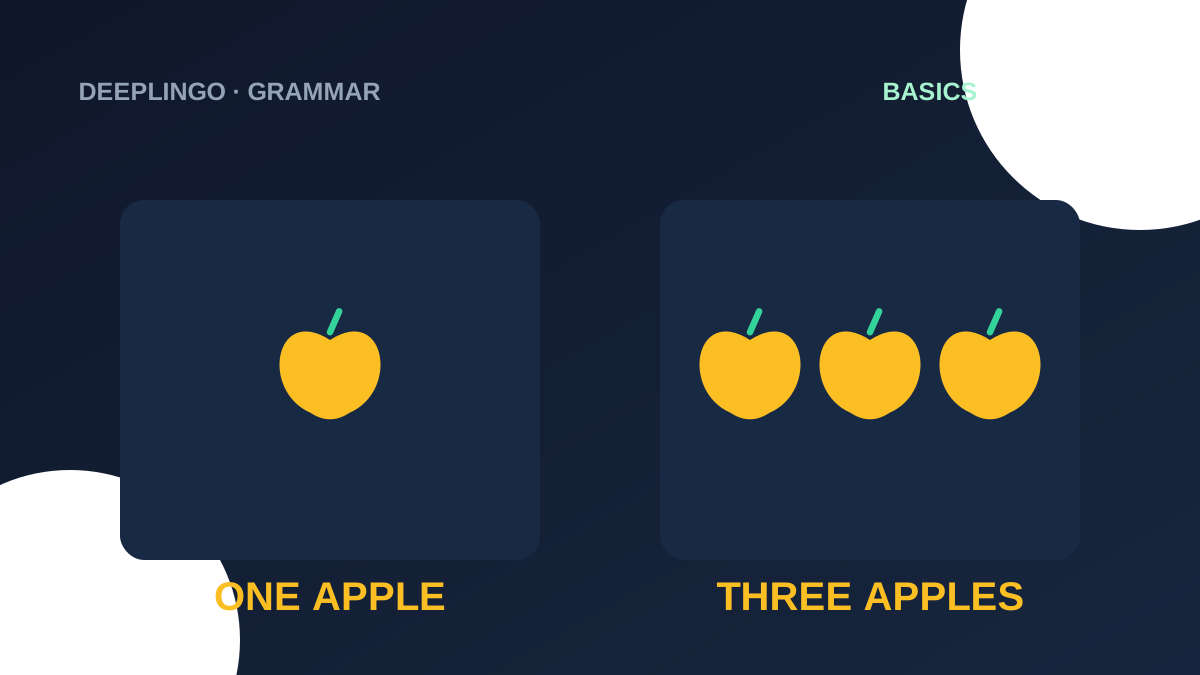
Learn how to form plural nouns correctly, including regular and irregular forms.
Read guide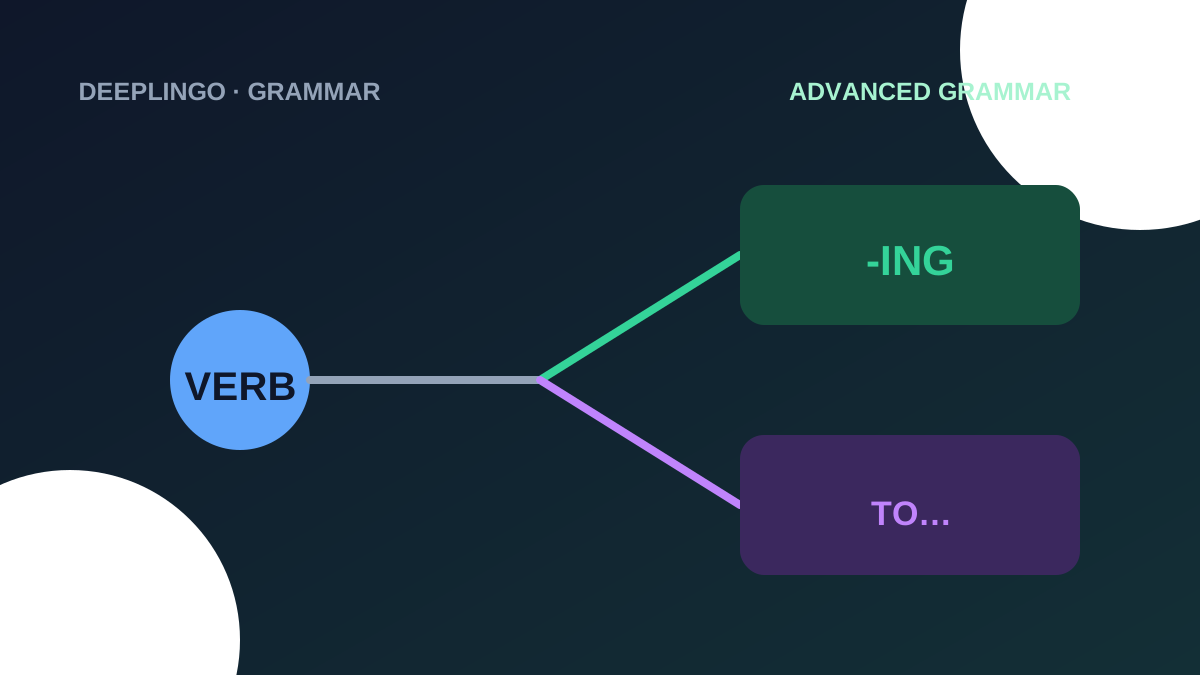
Confused about when to use gerunds (-ing) or infinitives (to + verb)? This guide explains the rules with common verb patterns.
Read guide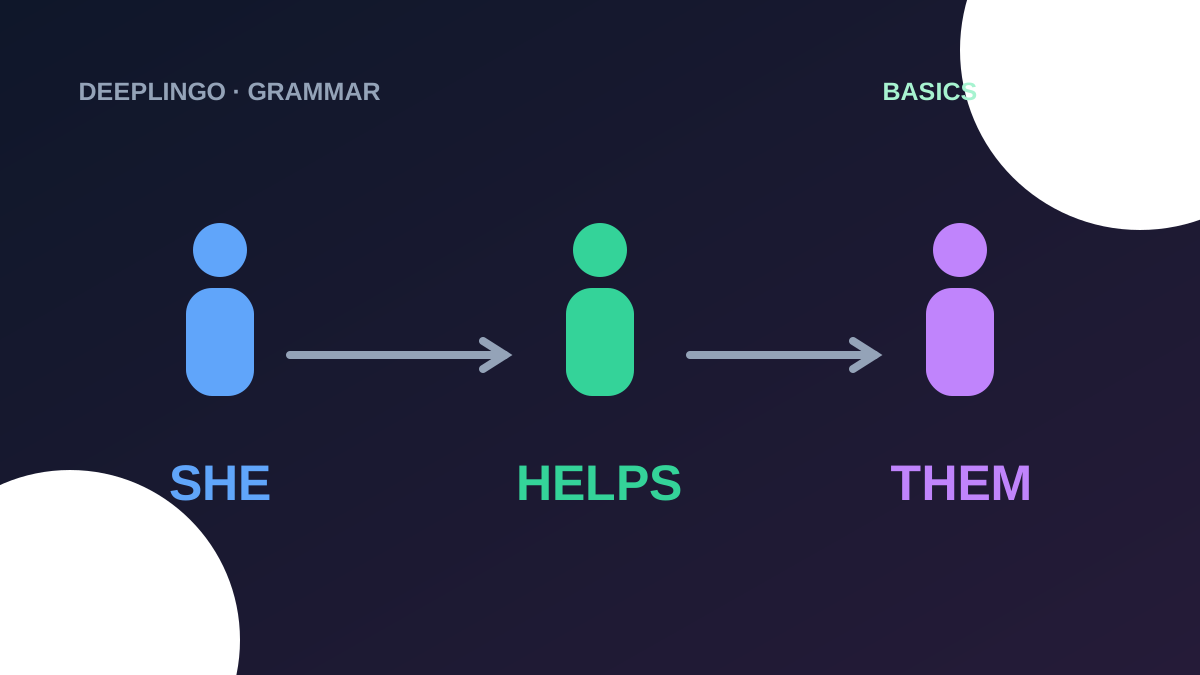
Learn all about personal pronouns and how to use them correctly in sentences.
Read guide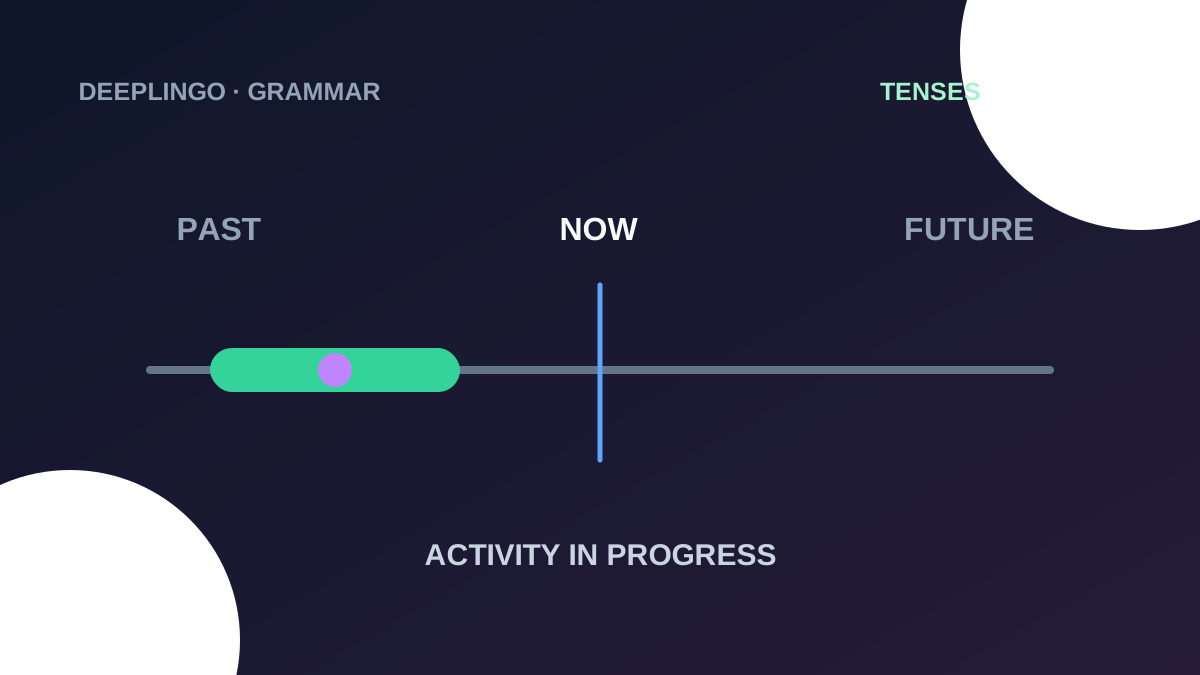
Learn how to describe what was happening at a specific moment in the past. Great for storytelling and setting scenes.
Read guide
Stop making these frequent errors that even native speakers get wrong. Learn the correct usage with memorable tips.
Read guide
Master the spelling of tricky English words with memory tricks and practice.
Read guide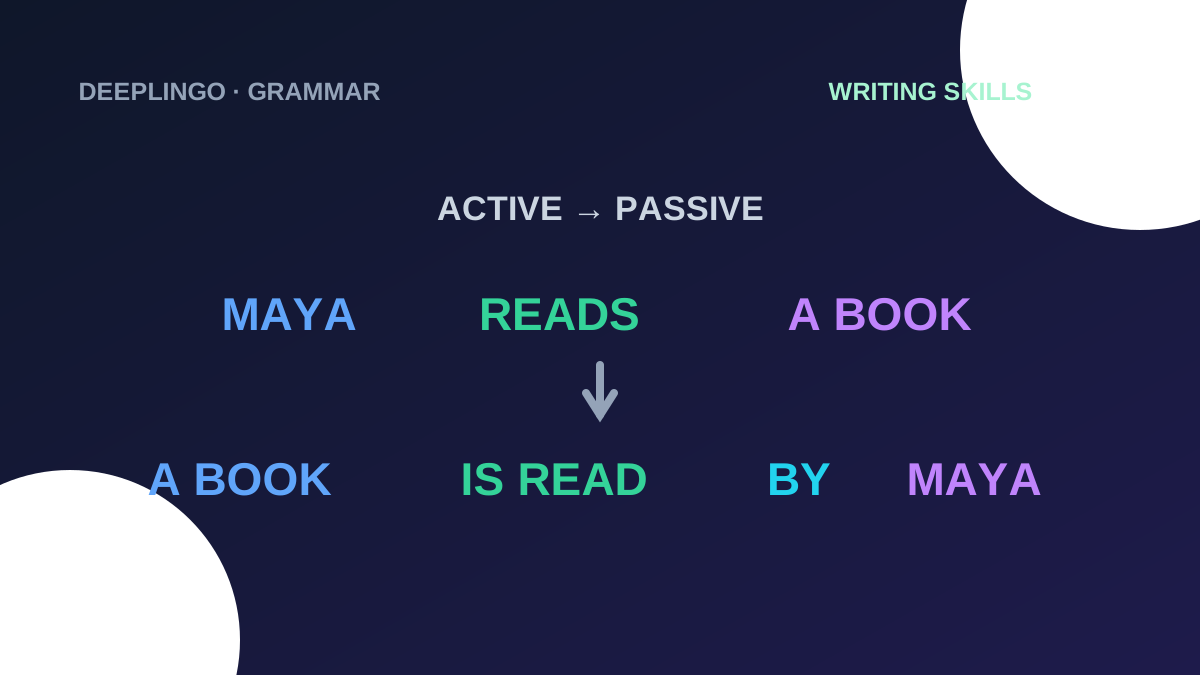
Understand the difference between active and passive voice, and learn when each is appropriate for clearer communication.
Read guide
Learn the correct use of commas, apostrophes, and other punctuation marks.
Read guide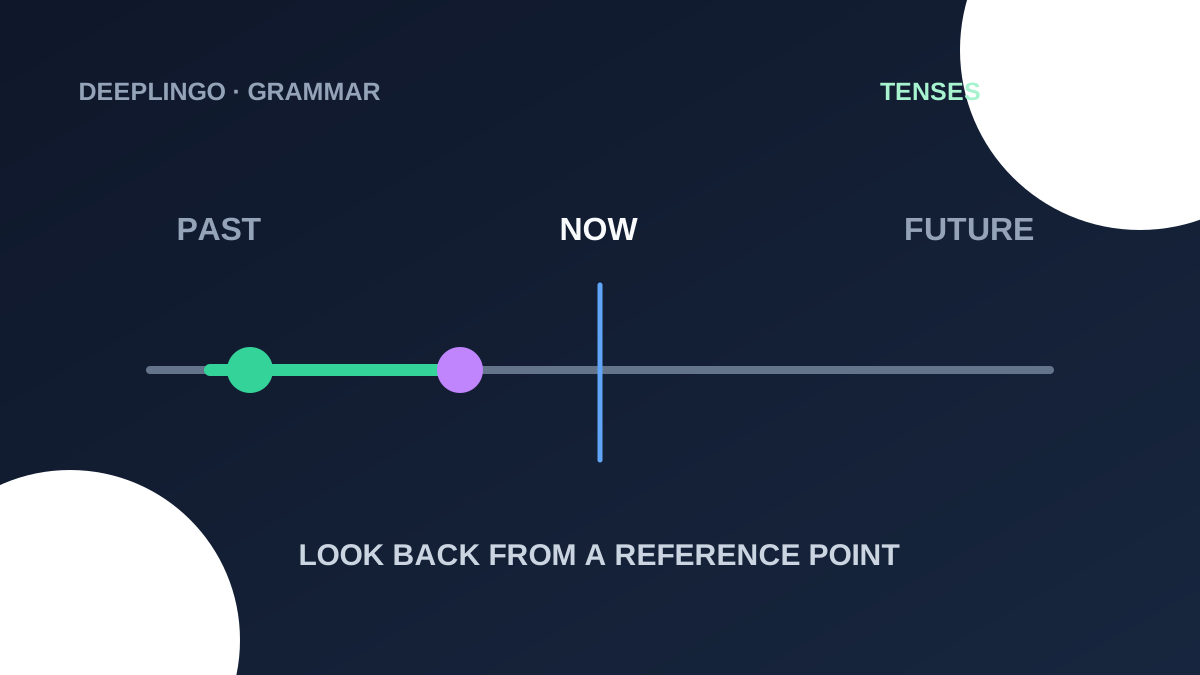
Master the Past Perfect tense to talk about actions that happened before another past event. Essential for storytelling.
Read guide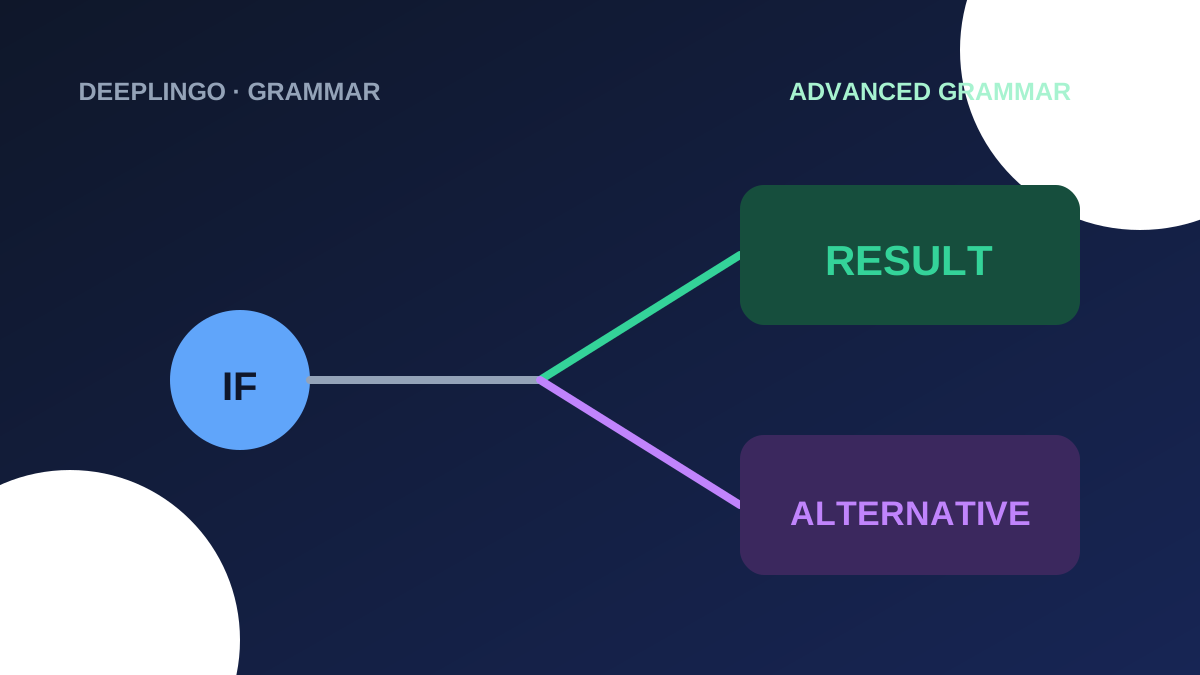
Learn all four types of conditional sentences with real-world examples. Perfect for expressing possibilities and hypotheticals.
Read guide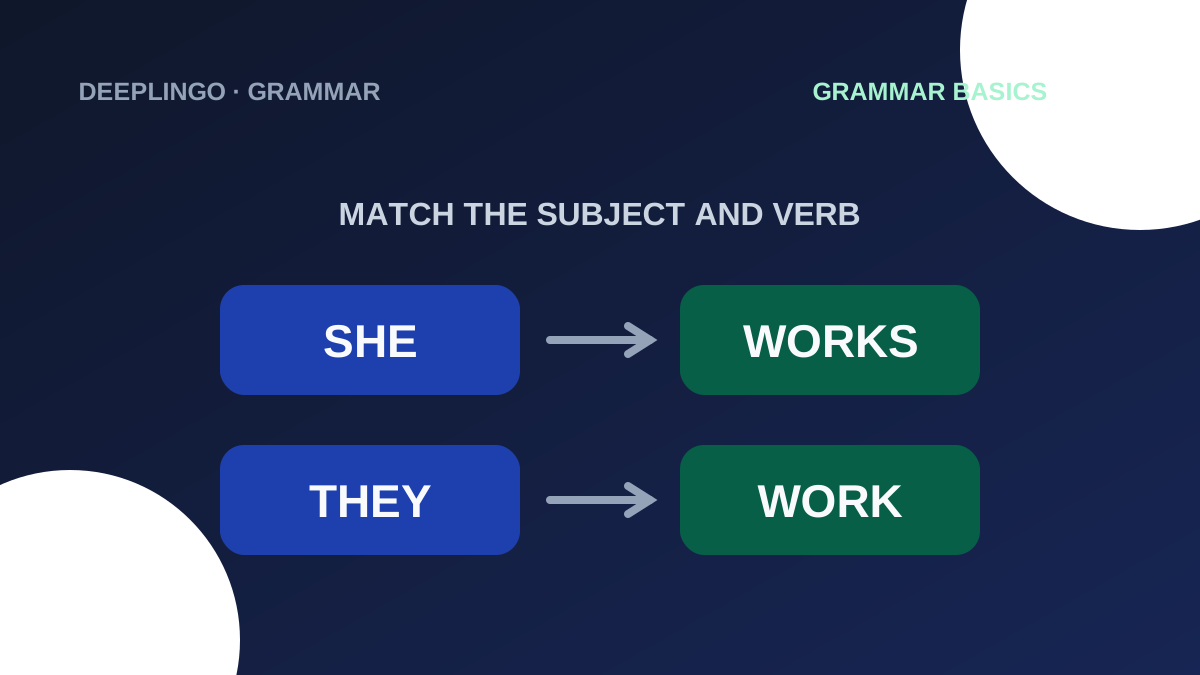
Master the essential rules of subject-verb agreement. Learn when to use singular vs plural verbs with clear examples.
Read guide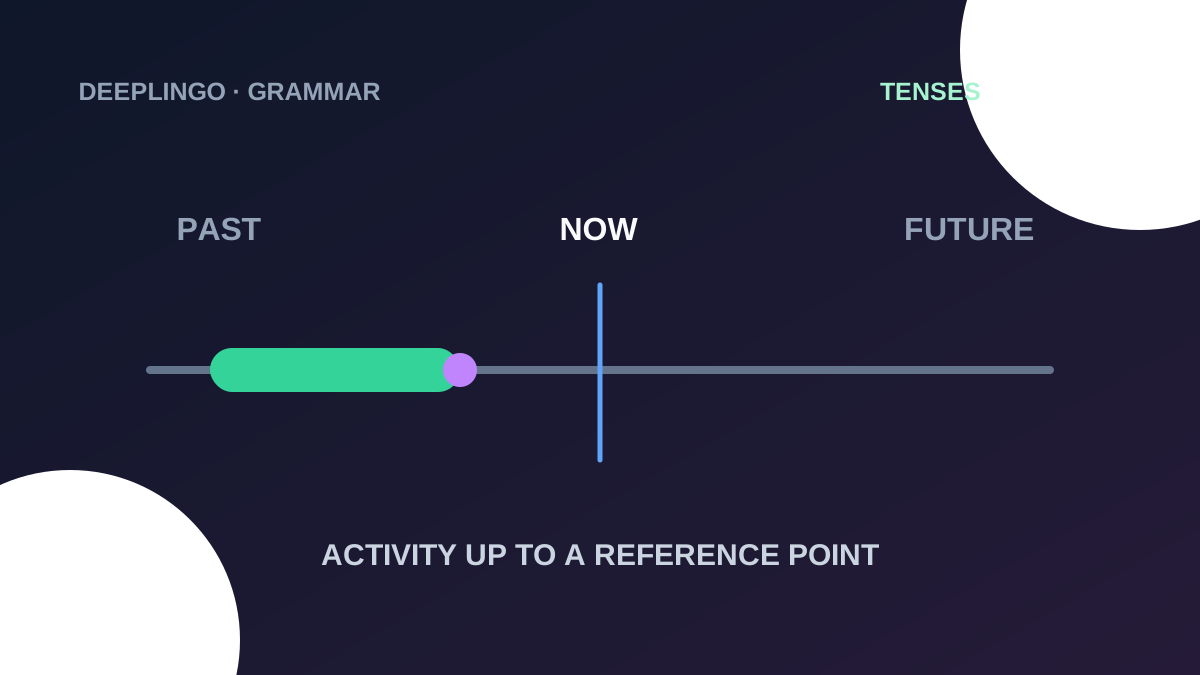
Learn how to describe actions that were ongoing for some time before another past event. Perfect for explaining causes and duration.
Read guide
Learn how to report what someone said using direct and indirect speech. Master the tense changes and reporting verbs.
Read guide
Learn the difference between affect and effect with simple rules and examples. Master one of the most commonly confused word pairs in English.
Read guide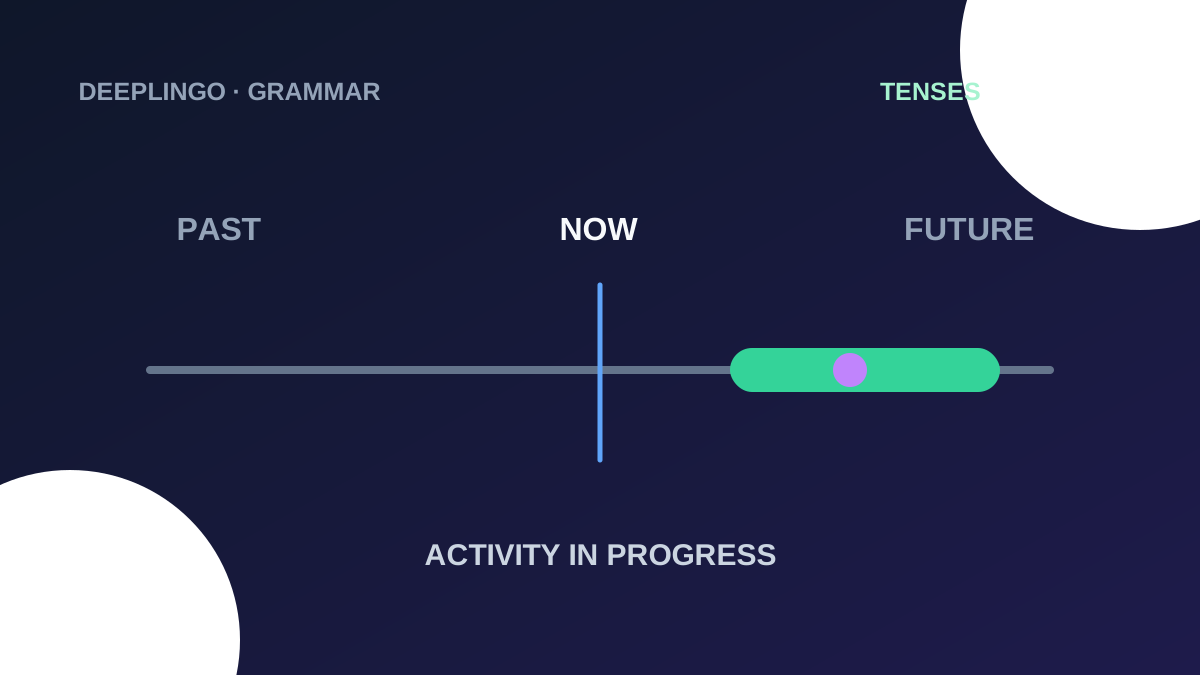
Learn to describe what will be happening at a specific time in the future. Perfect for describing future scenes and parallel activities.
Read guide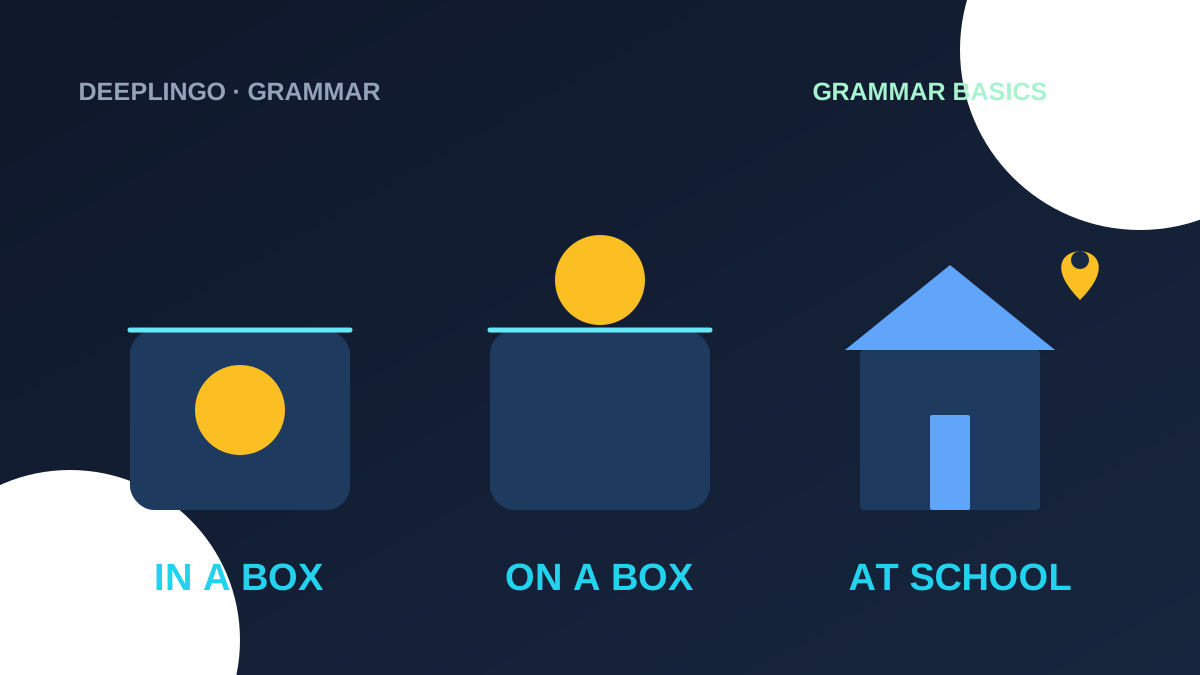
Struggling with prepositions? This comprehensive guide breaks down when and how to use the most confusing prepositions.
Read guide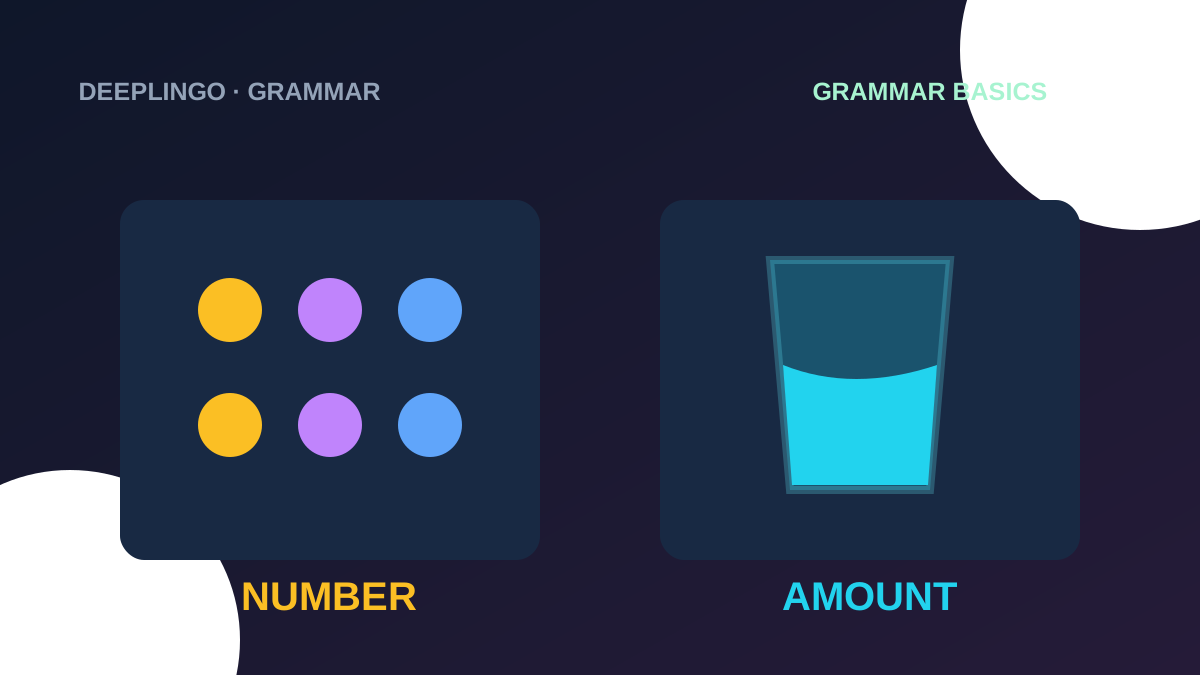
Understand the difference between countable and uncountable nouns. Learn which quantifiers to use with each type.
Read guide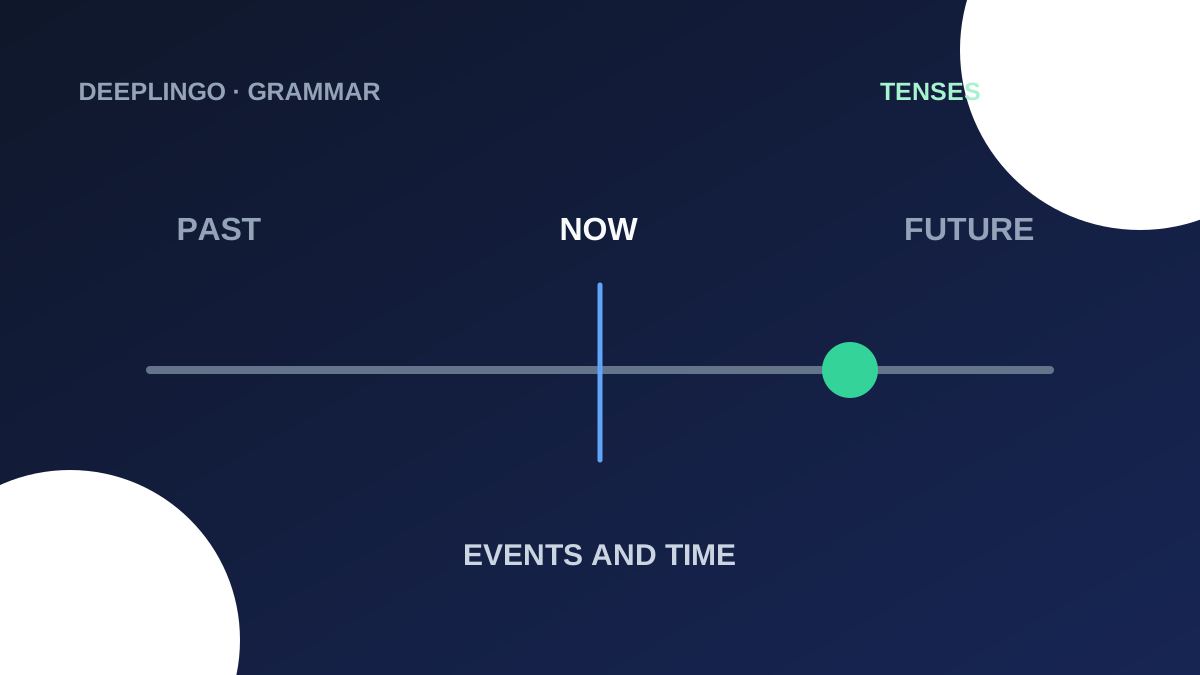
Learn how to make predictions, promises, and talk about future plans using 'will'. Simple and essential for everyday English.
Read guide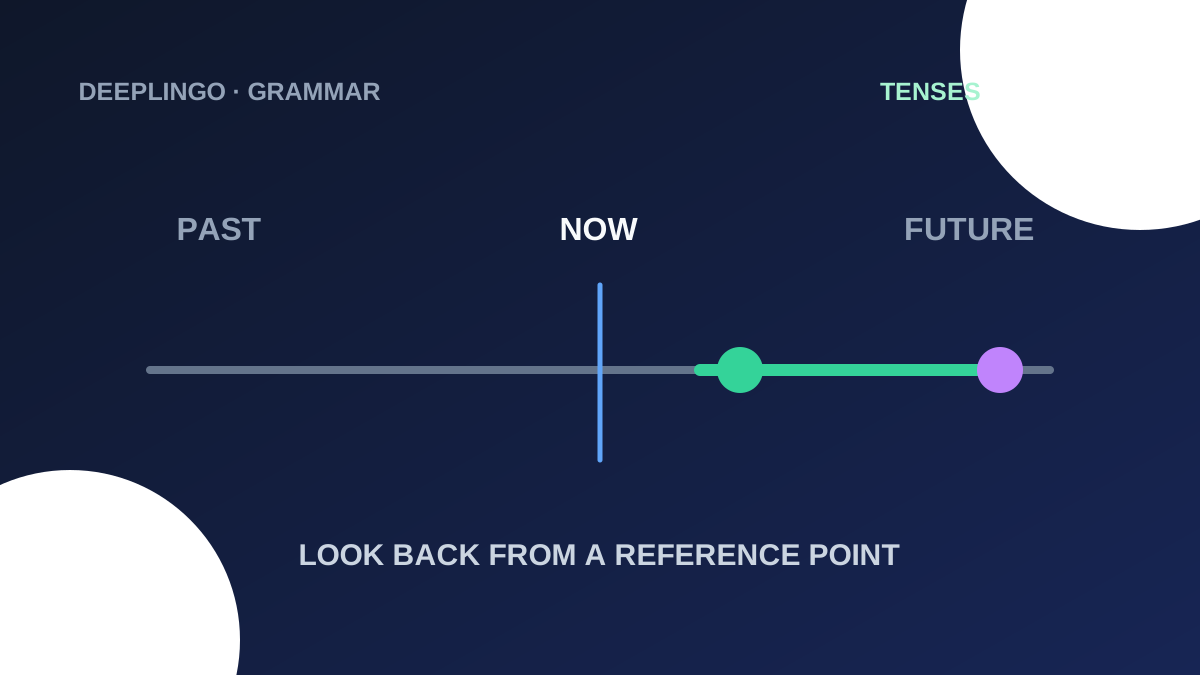
Master the Future Perfect tense to talk about actions that will be finished before a specific future moment.
Read guide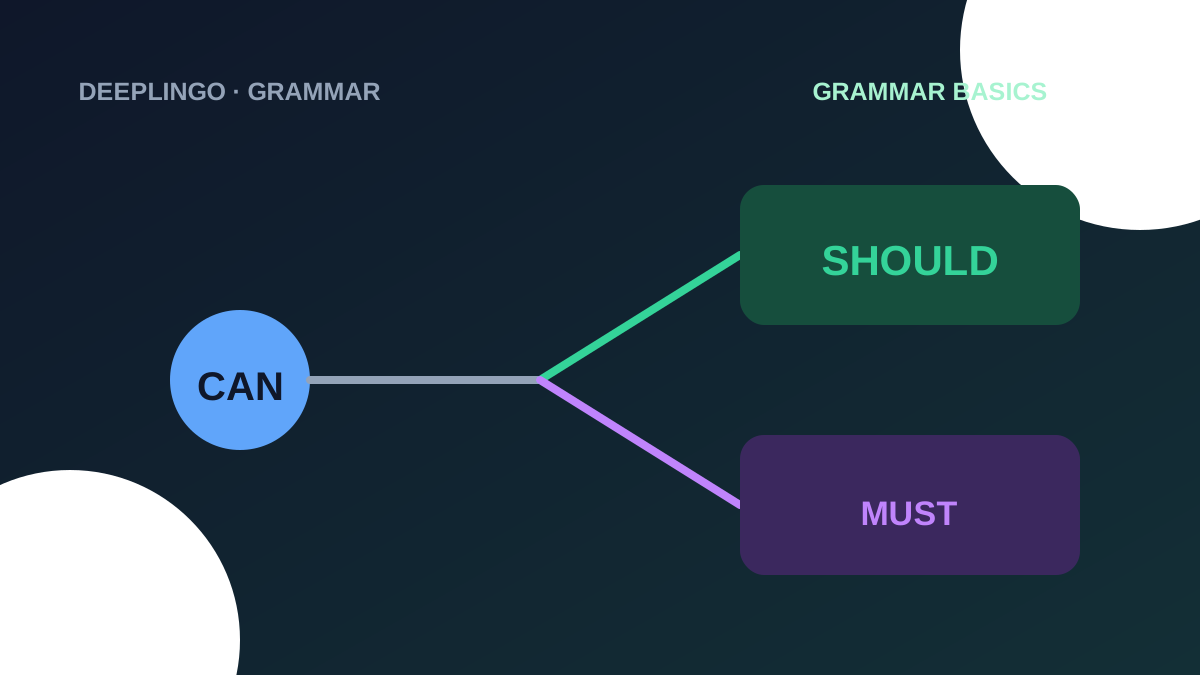
Master modal verbs to express ability, possibility, permission, and obligation. Clear explanations with practical examples.
Read guide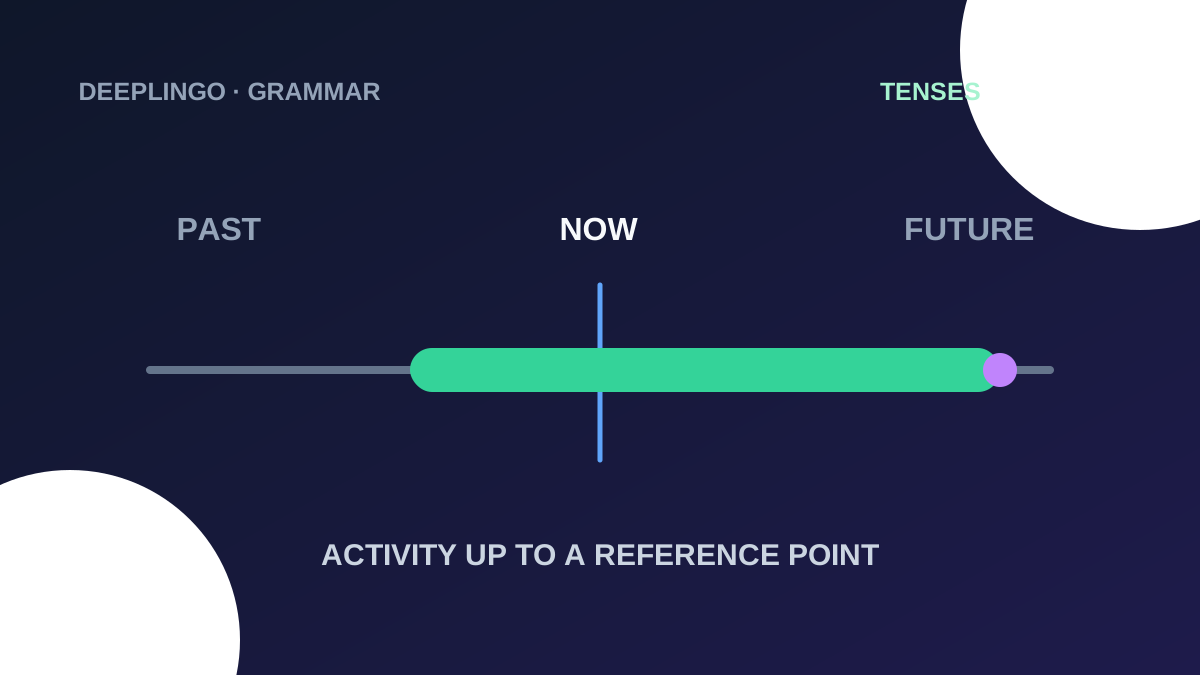
Learn the Future Perfect Continuous tense to express how long something will have been happening by a future time.
Read guide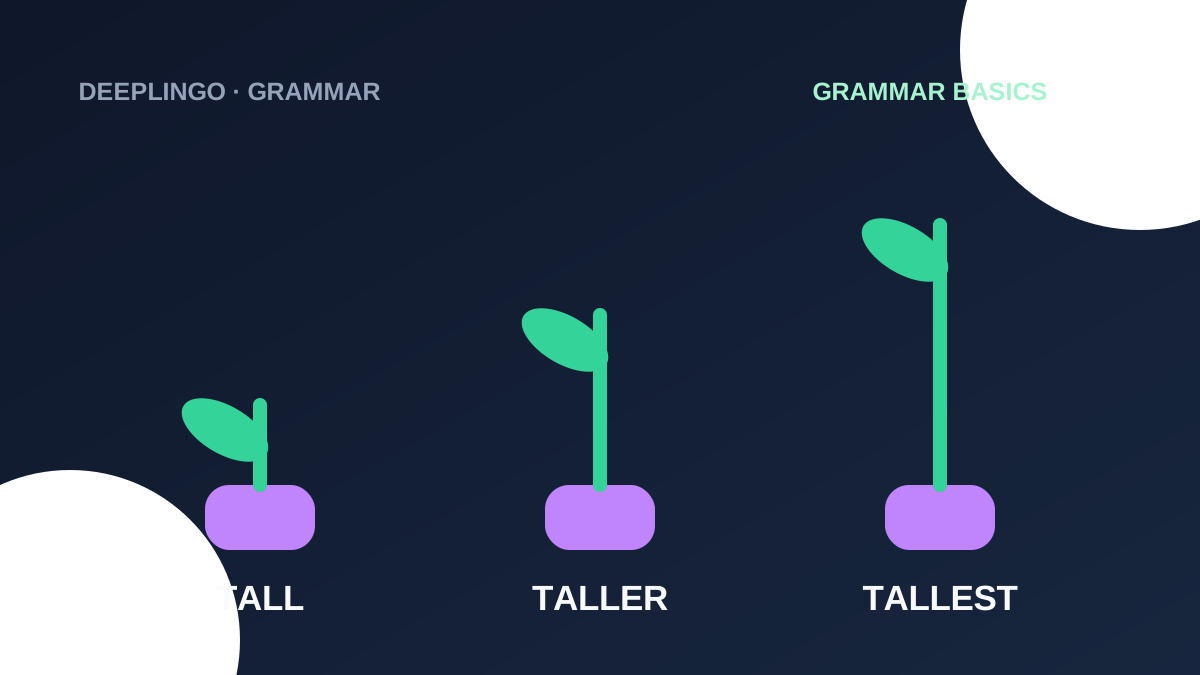
Learn how to compare things in English using comparative and superlative adjectives. Master the rules for -er, -est, more, and most.
Read guidePractice speaking, listening, and grammar with Deeplingo AI’s English learning app.